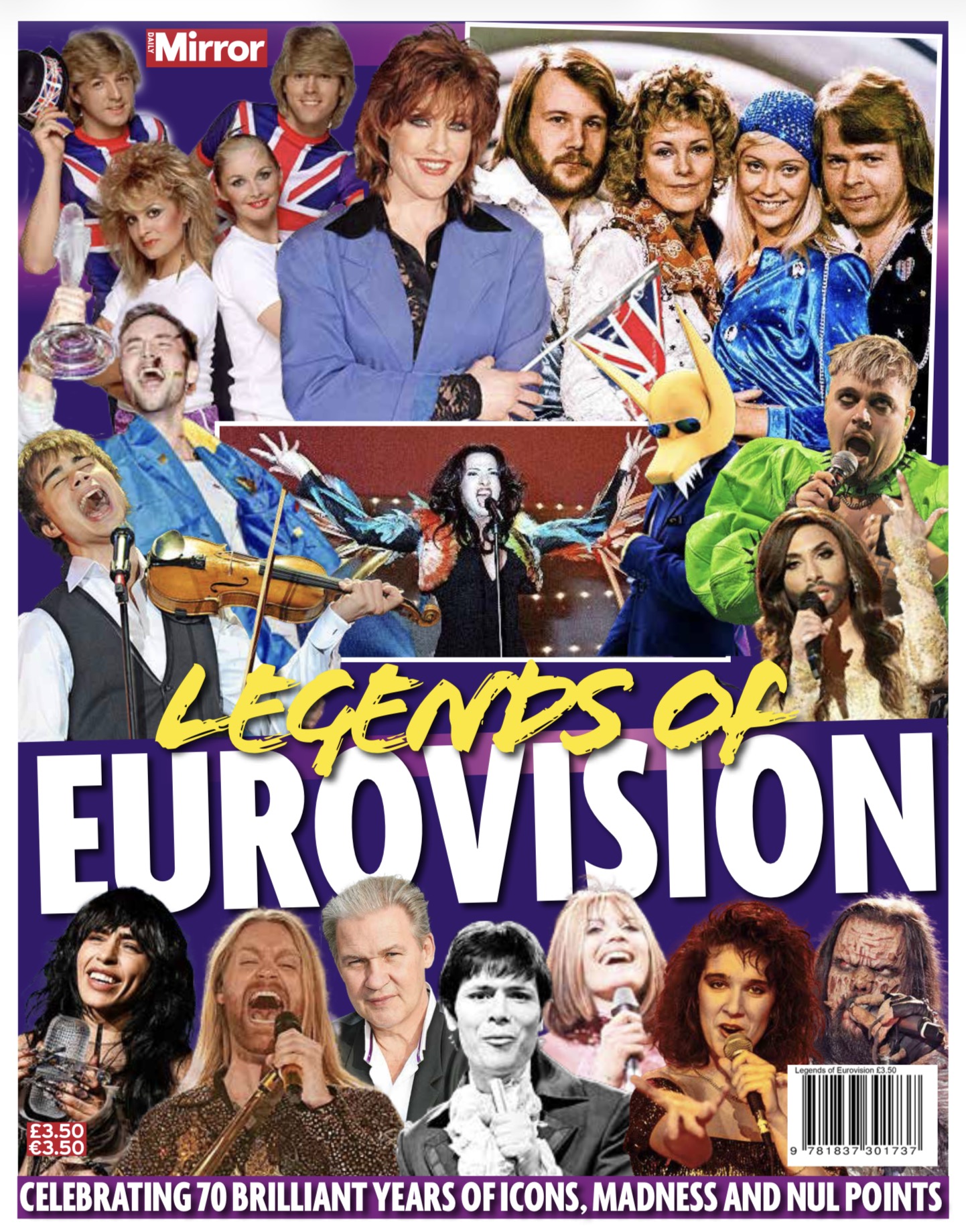
WHICH Eurovision song sparked a real-life revolution? Who gave ABBA nul points? And which Song Contest star suffered a wardrobe malfunction that bared more than anyone wanted to see?
Which act had to crawl along a ditch while under fire from snipers to get to the contest? Who sang no fewer than 132 ‘la’s in three minutes? And what is the most unpopular Eurovision song of all time?
These, and many other, questions are answered in Legends of Eurovision, the special publication I’ve just written for the Mirror, which is due to arrive on news-stands tomorrow, and is also available online.
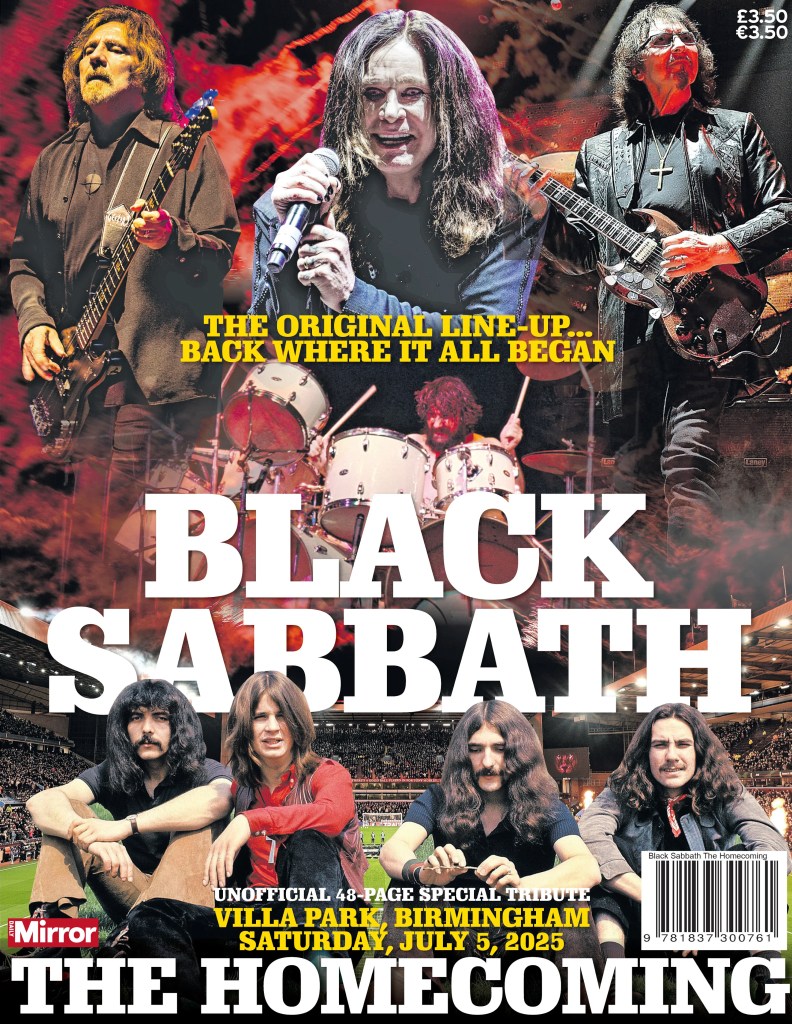
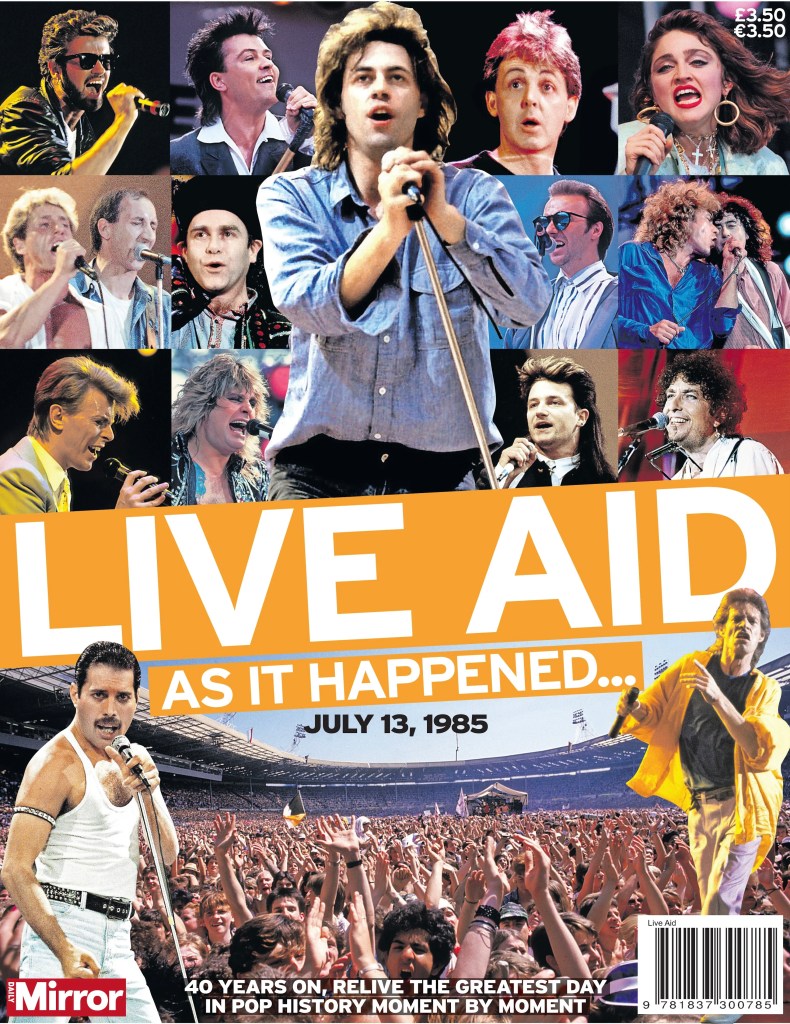
After the success of two specials I put together for the Mirror last year – the award-winning Black Sabbath: The Homecoming and Live Aid: As It Happened, I was invited to submit a proposal for an unofficial Eurovision tribute edition.
To celebrate the 70th anniversary of the Song Contest, the final of which is staged in Vienna on Saturday May 16, I’ve chosen what I believe to be the seventy songs that have helped shape Eurovision as we know it today. Each has a fascinating story to tell.
The countdown includes acts ranging from Conchita Wurst to Chanel Terro; from Sam Ryder to Sandra Kim; from ABBA to Aliona Moon; from Celine Dion to Sandie Shaw, and from Dana to Dana International.
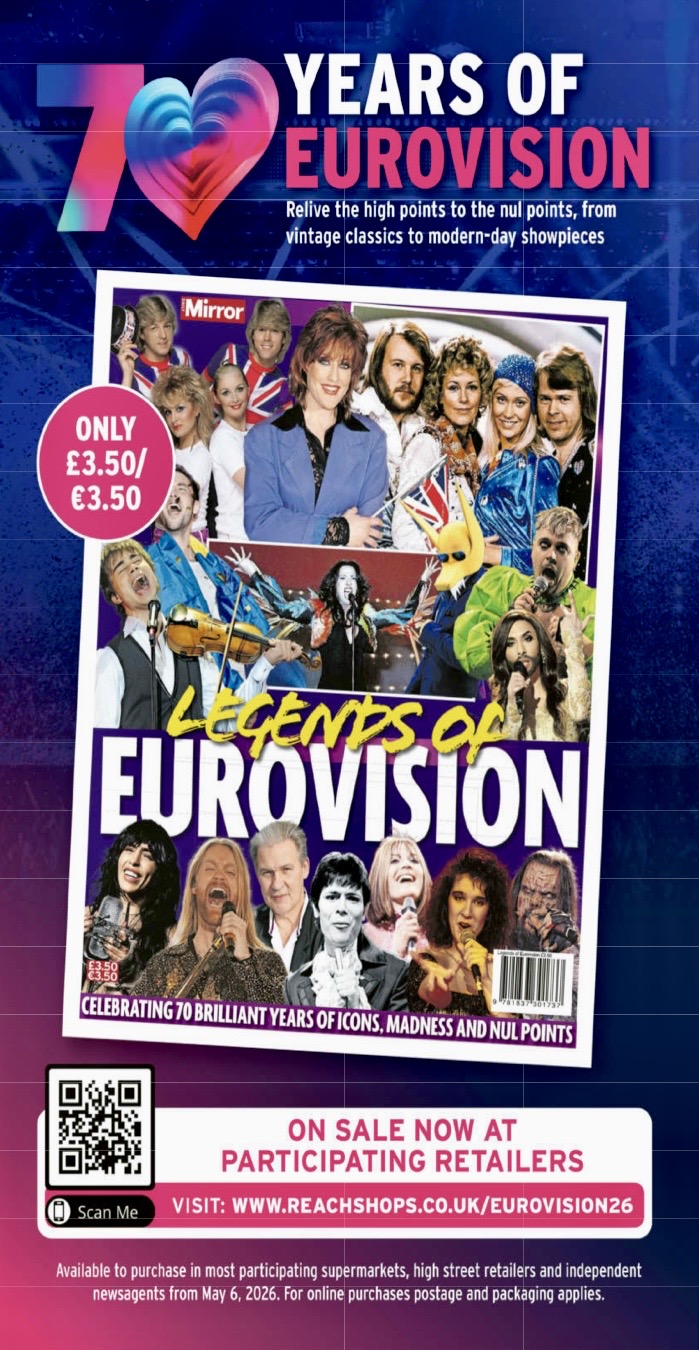
There are special features on the nul pointers, the UK’s rollercoaster record, the all-time winners roll of honour, the comebacks that flopped, the most outrageous performances and the worst lyrics.
I’ve had a love-hate relationship with Eurovision over the years, but rarely missed a final, and – my own guilty secret’s out – I actually helped choose one of the UK entries that went on to win the Contest.
Legends of Eurovision, a special Mirror publication, is on sale tomorrow at newsagents and supermarkets, priced £3.50, and is also available for worldwide sale at the Reach plc online shop here.

The Eurovision Song Contest 2026 dates for your diary: First Semi Final (May 12); Second Semi Final (May 14); Grand Final (May 16). All three will be broadcast by BBC One and BBC IPlayer, and also on BBC Radio 2 and BBC Sounds.
Discover more from Paul Cole Writes
Subscribe to get the latest posts sent to your email.



 Paul Cole Writes
Leave a comment